Leap practice notes
Leap is not a course.
It is a supported-practice note for practitioners who are preparing to deliver Active Sensemaking responsibly in real-world contexts.
Leap exists to form practice maturity, not to teach tools, templates, or techniques in isolation.
Most visitors should not start here. Leap becomes relevant when real collaboration needs supported practice in context.
What Leap is
Leap is a mentored, practice-anchored mode of supported work focused on:
- designing sensemaking studies with real stakes
- working with participant dignity, consent, and power dynamics
- making governance decisions under uncertainty
- holding interpretation without rushing to conclusions
- translating insight into wise, testable action
Leap work is grounded in real projects, not hypothetical exercises.
What Leap is not
Leap is not:
- a public signup offer
- a public training or workshop
- a self-paced course
- a shortcut to practitioner readiness
- a substitute for real delivery experience
Leap requires time, care, and responsibility. It is intentionally limited in scale.
Who Leap is for
Leap is designed for practitioners who:
- intend to deliver Active Sensemaking work with organizations or communities
- already hold responsibility for interpretation and outcomes
- are preparing to work within governed, ethical learning contexts
Participants are typically:
- Practitioners exploring collaboration fit for real work
- Practitioners deepening delivery maturity in sensitive contexts
- Practitioners co-delivering early projects with Spryng
- Partners transitioning from theory into accountable practice
How Leap works
Leap typically unfolds through a combination of:
- mentored project design and review
- co-delivery, shadowing, or supported facilitation
- structured reflection on ethical and interpretive decisions
- peer dialogue with other practitioners
- ongoing feedback from Spryng practitioners (matched to need and capacity)
The specific form Leap takes depends on context and is agreed explicitly before participation.
What supported practice helps practitioners notice
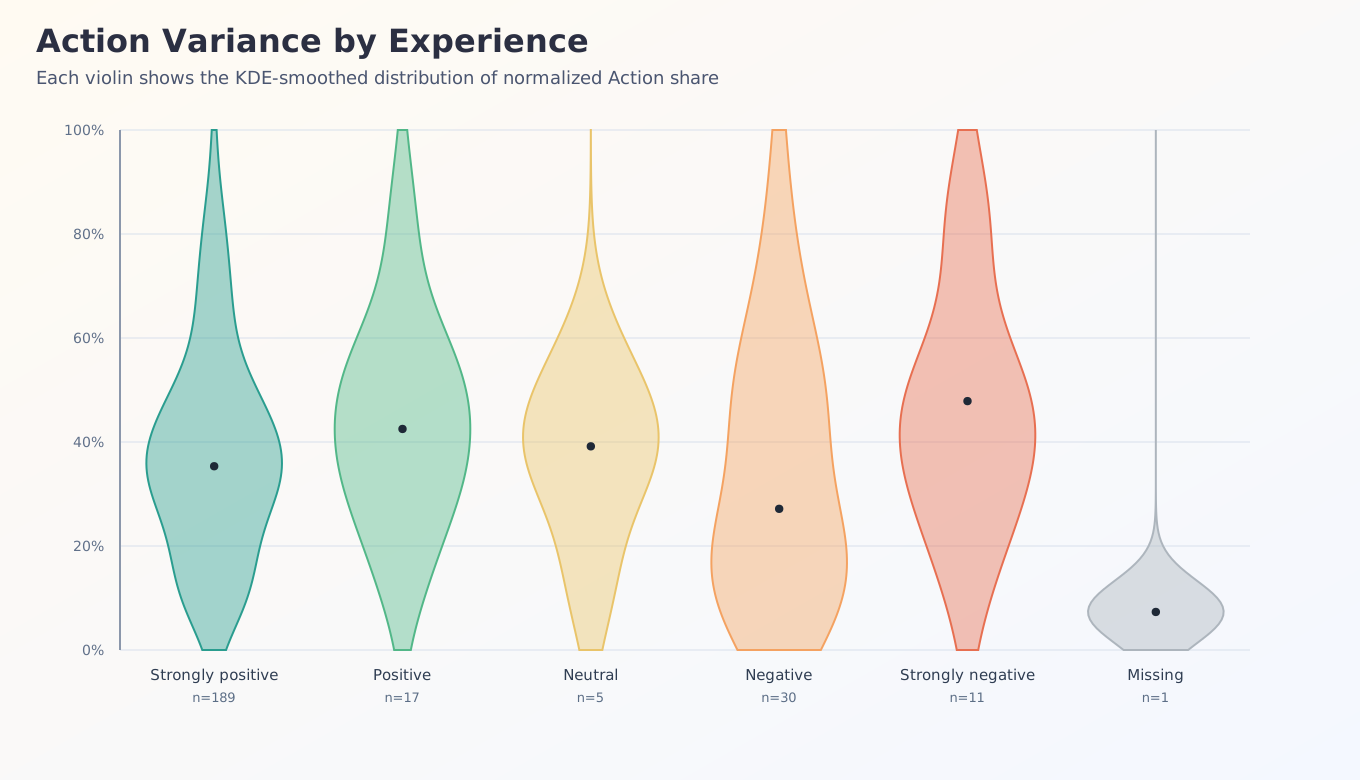
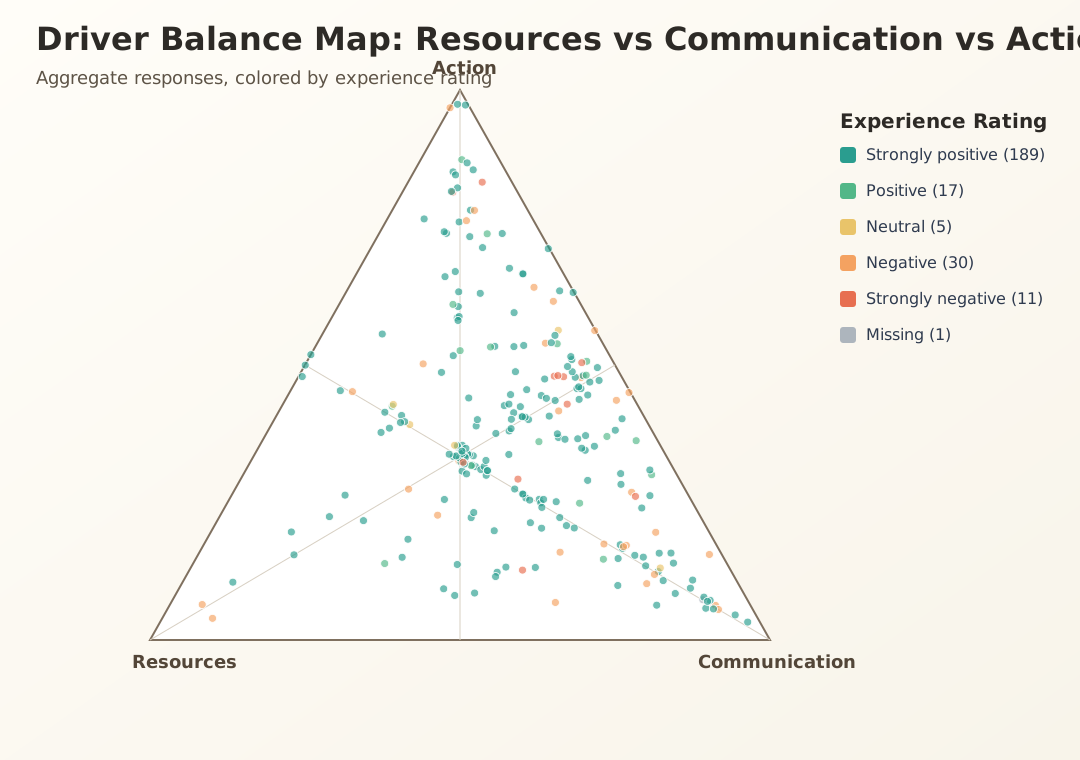
Much of Leap is not about learning a platform feature. It is about learning where an aggregate pattern is genuinely informative, where it is still ambiguous, and where a premature conclusion would narrow the work too early.
Access and participation
Leap is used selectively and only in context.
It is usually accessed through:
- practitioner standards and enablement
- partner-anchored pilot projects
- co-created or co-delivered client engagements
There is no public application or enrollment form because this page is not the public front door.
Why Leap exists
Active Sensemaking involves real people, lived experience, and decisions that matter. When responsibility increases, formation matters more than instruction.
Leap exists to protect the quality of the practice, not to scale participation.